

~4 mins
Even though our winters here in Northern Virginia can be milder than in other parts of the country, winter damage to landscapes may still require attention. When possible, it’s helpful to take proactive steps to prevent winter landscape problems.
In this article, we’ll talk about things like snow and ice damage on plants that can leave you frustrated when winter weather rolls in. You want your landscape to be ready-to-go come spring, and you don’t want setbacks getting in the way.
Educating yourself about what to expect can help you set yourself up for success!
We’re covering some of your most frequently asked winter landscape questions here so you can better understand your winter landscape.
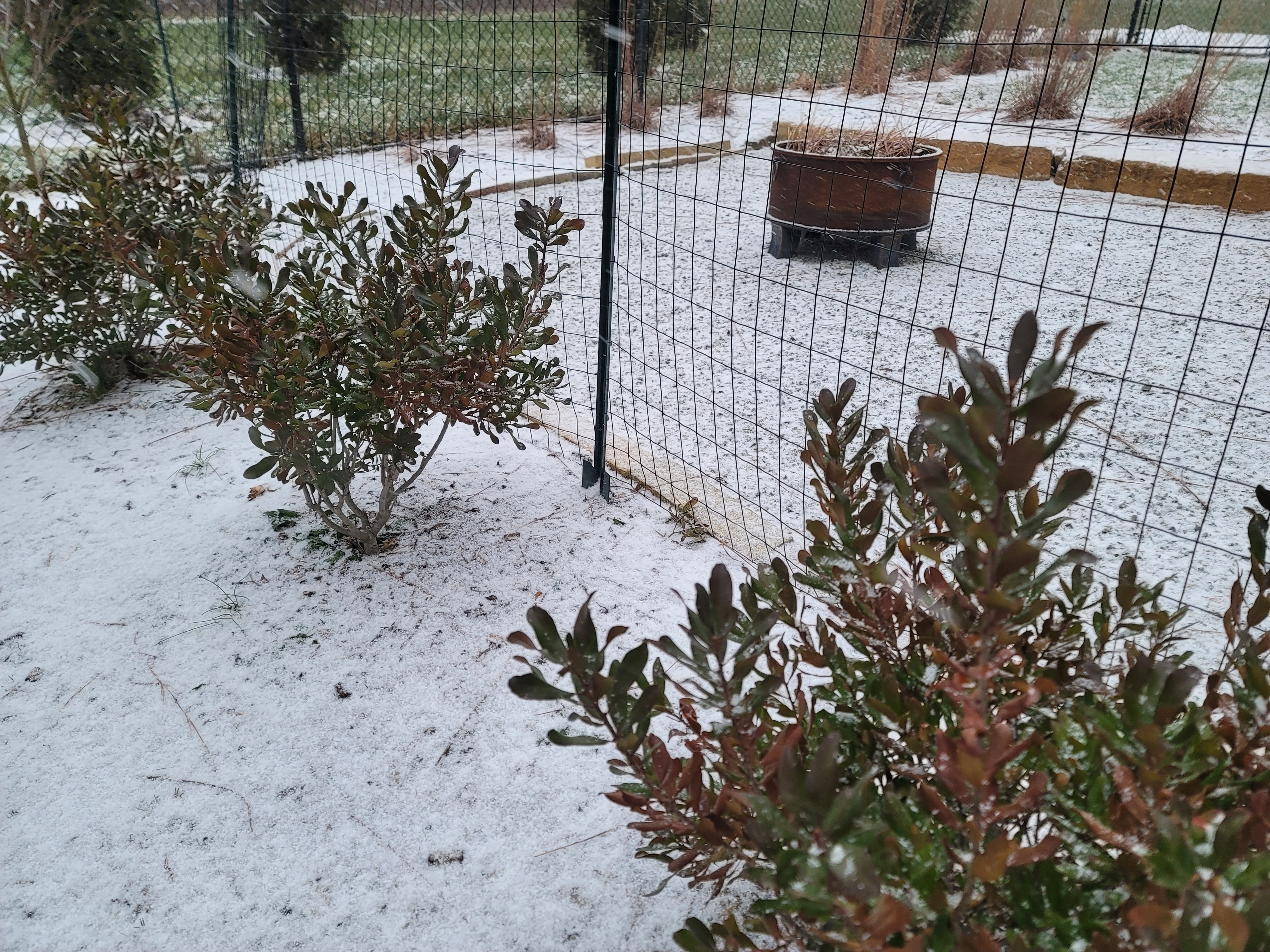
Yes, winter weather can cause damage to landscape plants. For instance, snow and ice damage to plants can leave lasting problems.
Snow can damage plants by piling on extra weight.
Evergreen shrubs such as arborvitae or Sky Pencil Hollies, and trees such as Leyland Cypress, are among the most likely to experience snow-related damage. This is due to their narrow and vertical shape. These plants often grow with the top open and airy, so snow can fall down the middle. This can cause these plants to splay open with heavy snow weighing down the branches.
Because of the heavy, wet snowfalls we typically get (due to our coastal location), the weight can quickly become too much for these plants to bear. This can cause these evergreens to become misshapen and unsightly.
The same can occur with heavy ice build-up, though we’re more likely to get wet and heavy snowfalls than excessive ice accumulation.

If we are in the midst of an ice storm and you see ice accumulation, do not attempt to break off ice.
Attempting to knock ice off of branches can actually cause even more breakage than just leaving the tree or shrub alone.
Give it time to thaw out, letting Mother Nature take her course, and it will often resolve on its own. Once the ice has melted, perform an assessment and seek out signs of damage. If there are broken branches, point them out to your landscaping service in Alexandria, Arlington, or Springfield, VA.
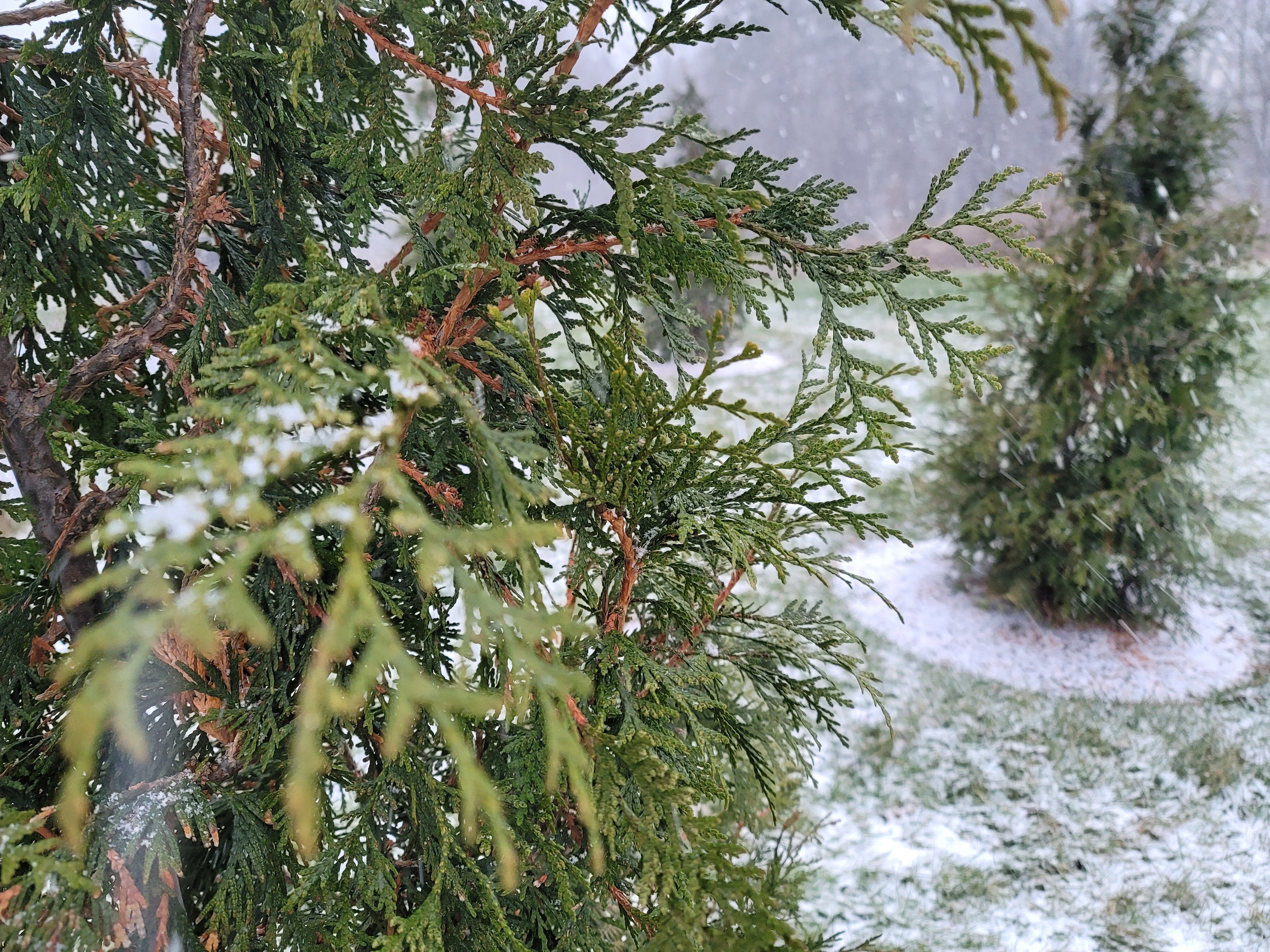
On the other hand, if we’re in the midst of a snowstorm, some gentle clearing is okay. Gently shake your ornamental trees and shrubs to prevent heavy snow from piling up.
Of course, you should only do this from the ground. You should never stand on a ladder in the snow.
Just do your best to clear these plants. You can take a broom and gently brush some of that snow off. You could also give your shrubs a good shake before snow starts to build up. This might mean going outside every couple of hours.
It sounds like an arduous task, but if there’s a specific, prized specimen that you are worried about, it may be a noble effort that can pay off.
Yes, plants can recover from winter damage in landscapes, but the extent of recovery depends on the severity of the damage.
For snow damage to plants (such as splaying or broken limbs), it is important to assess the severity of the problem.
When Kingstowne is called in for these concerns, the very first thing that we are going to ask is: What is the value of this tree or shrub for you?
If it is an ornamental tree or shrub that is absolutely irreplaceable for you (most commonly because of sentimental attachment or an important function over monetary value), then we’ll discuss recovery techniques.
There are some steps we can take to tie a misshapen tree or shrub up and fill gaps. But it could take a lot of TLC to nurse the tree or shrub back to health. This can often be more costly than simply replacing the ornamental tree or shrub (and there is no guarantee that these remediation methods will work).

NOTE: Kingstowne specializes in caring for shrubs and ornamental trees (often under 20’ tall). If you have issues with a larger tree, you will need to contact an arborist.
Bottom line: if a tree or shrub has experienced severe snow or ice damage, we usually recommend replacement. We would also suggest preventive measures going forward.
We will cover preventative steps in our next question.
Proper, regular pruning is the most important step you can take to prevent snow or ice damage to ornamental trees and shrubs. Ornamental trees, in particular, can be pruned so that any defects or weak branches are removed, allowing your trees to have a better chance at withstanding snow or ice.
Shrubs can be shaped as tightly as possible to prevent snow from falling inside and splaying them open.
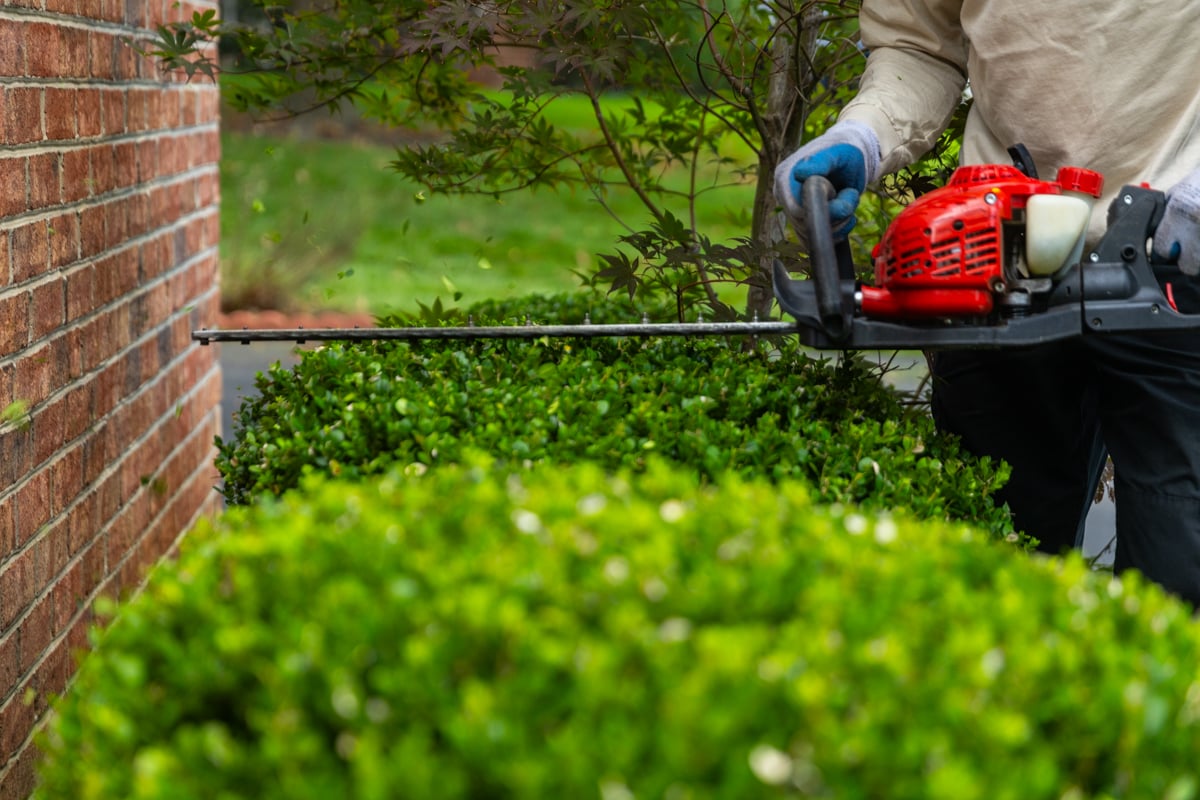
Of course, even pruning is not foolproof. If you have certain ornamental trees or shrubs on your property that are constantly getting snow (or ice) damaged, then you might want to consider replacing them with plants that are less likely to be problematic.
It’s also worth mentioning, though, that trees and shrubs are generally unbelievably resilient. We’ve seen some landscapes that got hit incredibly hard during the winter months and still bounced back beautifully.
Sometimes, it just takes time and patience.
Yes, plants can recover from winter burn. But just as with snow and ice damage to plants, it will depend on the severity.
Winter burn, technically called desiccation, occurs when a plant dries out due to excessive water loss (from a combination of frozen soil and windy conditions). This can lead to leaf and needle browning and loss.
Evergreens are more prone to this occurring and can definitely benefit from one to two applications of an anti-dessicant. This is an important preventative measure.
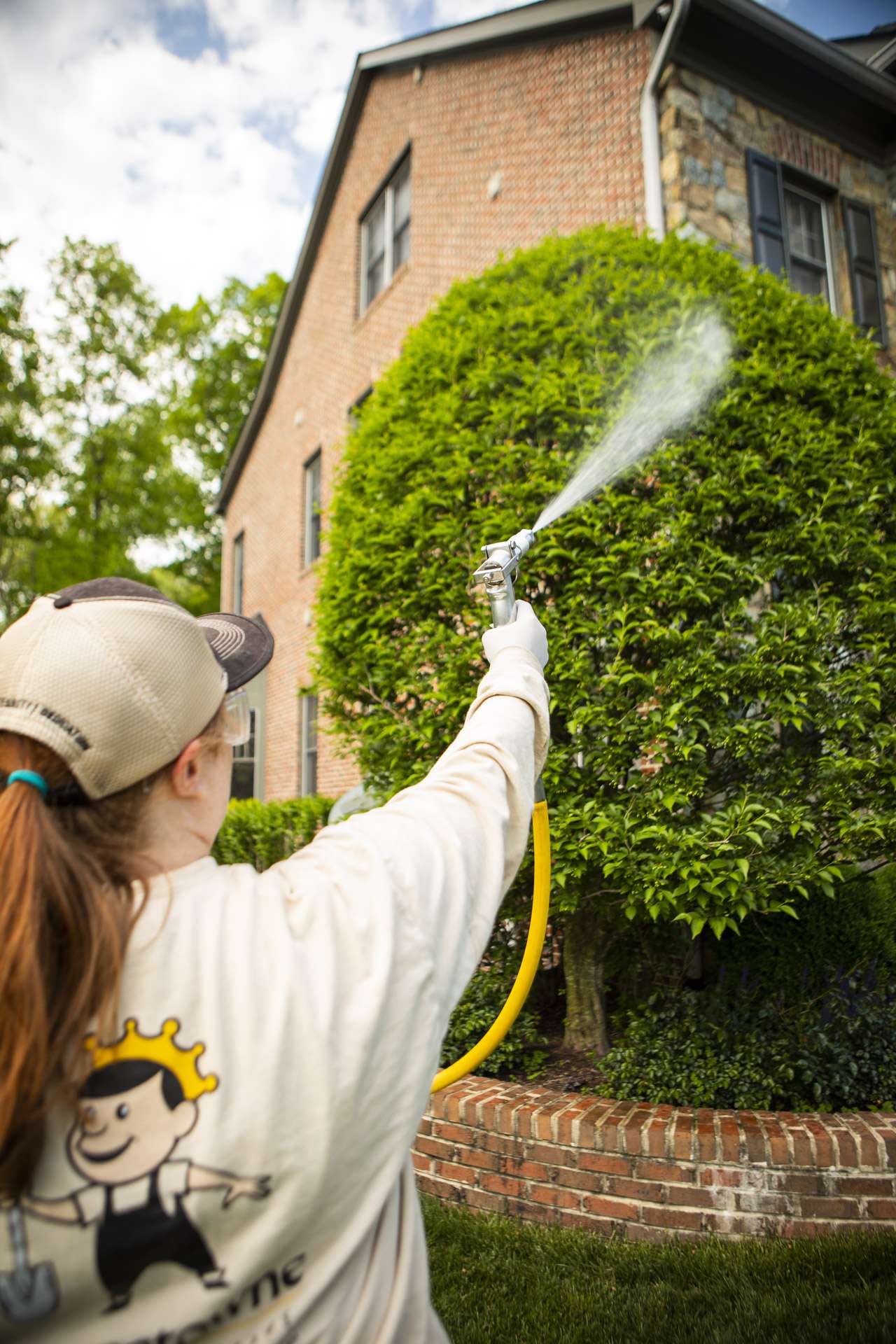
An anti-desiccant spray provides a protective coating that keeps the leaves from losing too much water through evaporation. This helps to save every last drop for the plant.
You also want to avoid pushing any new growth too close to winter. That’s why we advise stopping fertilization for trees and shrubs in the winter. Ideally, you want to stop any fertilization six to eight weeks before the first frost.
If your plant has excessive winter burn, it’s possible that removal will be your best course of action. This determination can be made after an assessment.
You want to make sure you work with a landscape maintenance company that provides honest information about winter landscape damage. Trying to save a plant that cannot be saved is a waste of your time and money.
As early spring rolls around, another frequently asked question is whether a plant is in dormancy or has died.
Many plants go into a state of dormancy to protect themselves from harsh conditions. This is triggered by changes in the sun’s patterns and by the drop in temperature. During dormancy, plants experience slower rates of photosynthesis and respiration, which prevent new growth.
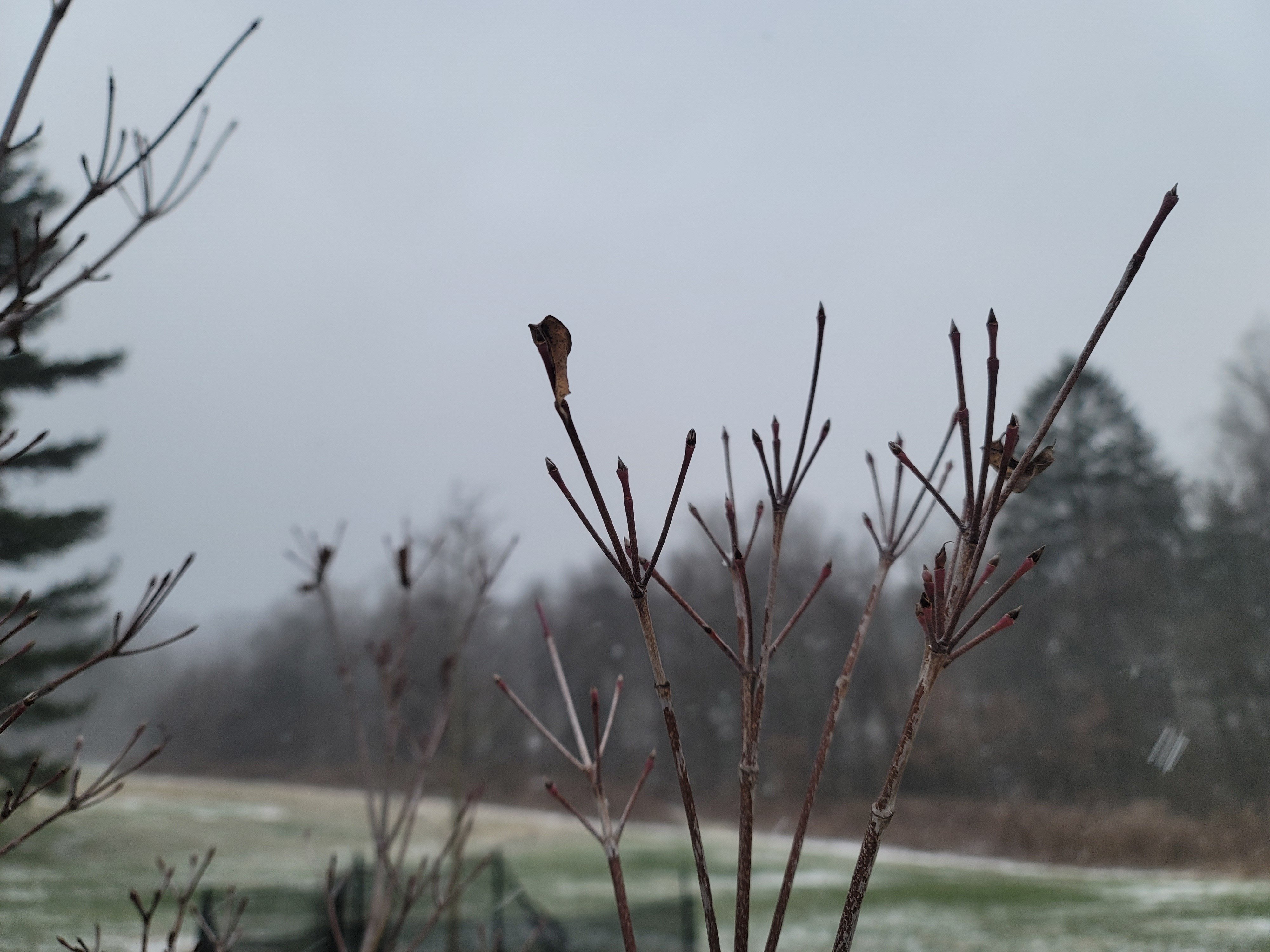
In this state of dormancy, plants can protect themselves from winter landscape conditions such as desiccation. However, if we have early-season frosts, after plants have come out of dormancy, problems can still occur.
Keep in mind that plants can take a while to emerge from dormancy.
Different plants may also have different timelines for emerging from dormancy. Some plants “wake up” later than others, so don’t panic.
When you partner with a trustworthy landscape maintenance provider in Northern VA, you can ask them to help you identify what’s going on with your landscape.
Winter can be a tough time for landscapes. But you can set your landscape up for success with some forethought and planning. Identifying potential winter landscape problems can go a long way toward avoiding hassles and headaches in the spring.
There’s no question that your best course of action is preventative care. That means partnering with a landscaping company that will offer you best-practice tips and set realistic expectations after winter landscape damage has occurred.
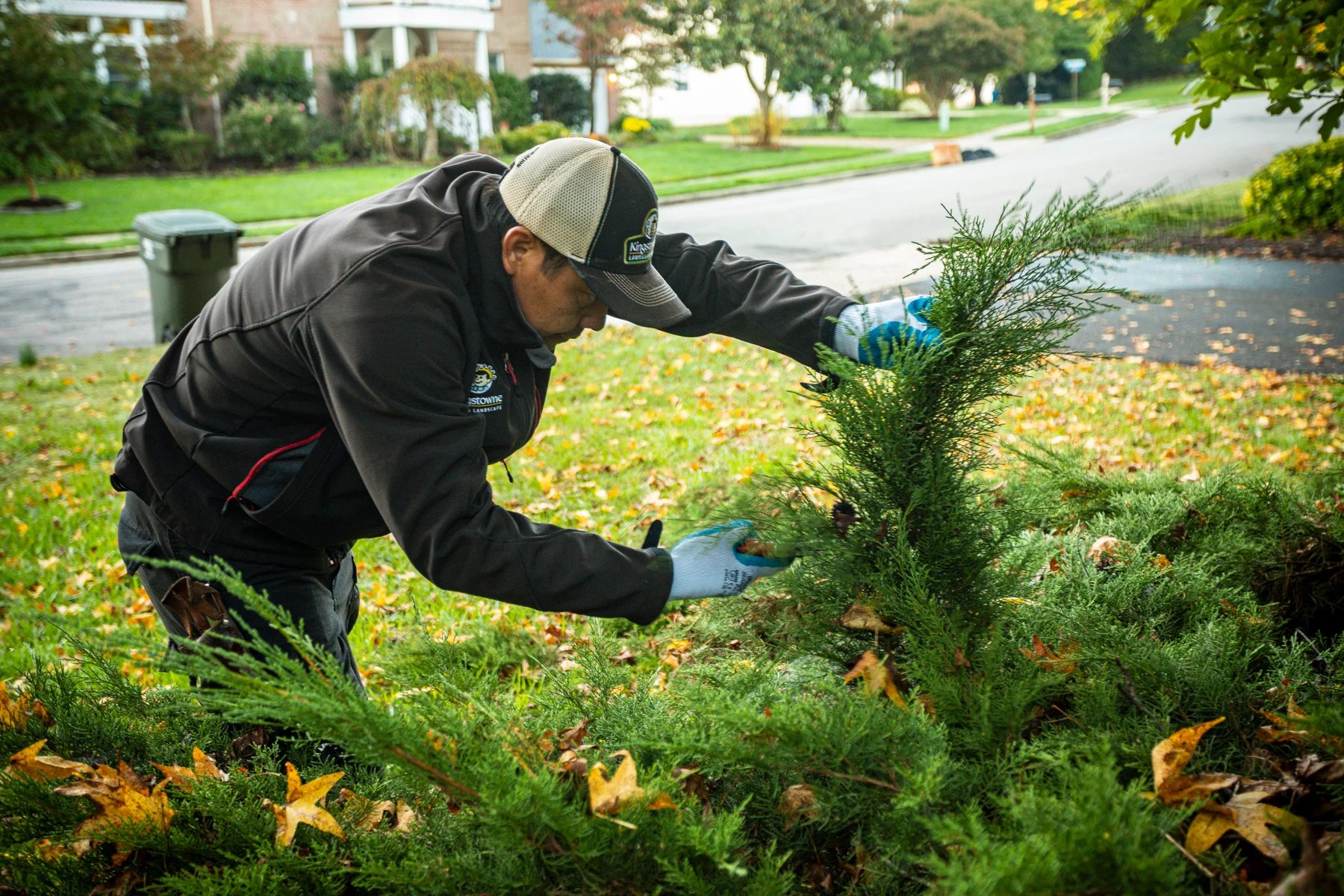
Choosing the right landscape maintenance partner will take stress and burdens off your plate by providing you with an expert you can trust.
At Kingstowne, you can always count on us to steer you in the right direction. We believe in partnering with homeowners and helping guide them toward the best choices for their landscapes. We recognize that what’s best for you might not be best for your neighbor. That’s why we take a customized approach.
You deserve a landscape professional who has your best interest at heart.
Are you ready to partner with a landscaping company that will help guide you to the best decisions for your Alexandria, Arlington, or Springfield, VA home? If so, request your consultation, get your customized plan, and relax as you get the royal treatment.


Since its founding, Krisjan has led Kingstowne Lawn & Landscape with a straightforward philosophy: treat every customer like the “only” customer. His passionate pursuit of excellent customer service has led to 28 successful years and a thriving company with over 85 employees. Since 1997, Kingstowne has helped thousands of homeowners in the Alexandria, Arlington, and Springfield, VA area get what they want - a worry-free property they can be proud of.
Let's Protect Your Landscape This Winter
We can't wait to hear from you.